
About Andy Frank
Andy Frank is our Founder and CEO. Since founding UDig, he has had the opportunity to build a business fueled by finding clients the right technology solutions to solve their business challenges.
This site uses cookies to enhance your browsing experience and deliver personalized content. By continuing to use this site, you consent to our use of cookies.
COOKIE POLICY
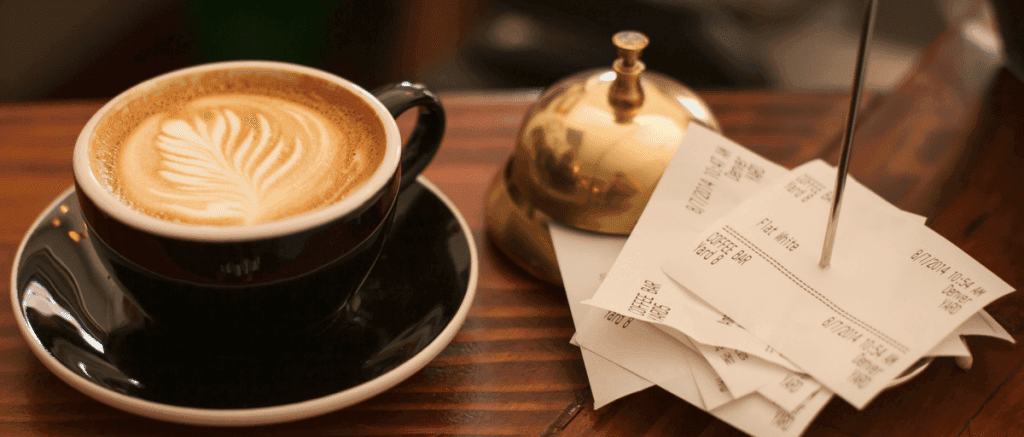
Our team visits Starbucks, Panera, and Chipotle on a regular basis. We are constantly ordering coffee and lunch during the week. All three companies have mobile applications that help you find the most convenient location, make customizing an order easy and set expectations on when your order will be ready. However, I feel like I am cheating when I mobile order. I feel sorry for all the people standing in line or sitting in the drive-thru waiting. I constantly feel this look of disgust from the traditional, non-tech savvy customer when I walk in, grab my order and walk out. If given a chance, I will mobile order before using the walk up line. The transaction is easier to accomplish and my order is never wrong.
I have made it a point to talk to employees at each place that are directly involved in handling mobile food and drink orders. The story is fairly consistent. There are a few peak times at which the customer experience will degrade until the peak is over. This service issue is a queuing problem that is part staffing and part capacity. The employees mention that their managers can’t over staff because the sales data doesn’t support it or the peak isn’t long enough to justify it. At peak times adding more people to the problem wouldn’t matter because they don’t have the equipment or space to deliver more product. The Starbucks and Panera appear to suffer from it more than Chipotle, as Chipotle has more traditional customers that stand in line to order.
The traditional walk-in customer feels the pain more than mobile customers. Part of this is because mobile ordering sets expectations around delivery and the traditional model doesn’t. As a regular customer you feel the wait time because it wasn’t what you expected and you can’t see orders queuing because a physical customer doesn’t exist until they show up. I am not sure how you can rectify this issue until everyone adopts mobile ordering and the traditional ordering method goes completely away. I suspect that will happen over the next 5 years for fast food and fast casual. The staff will completely focus on fulfillment and customer service.
As the digital movement continues and companies spend more time and money in their digital offerings like chat bots, SMS bots, mobile applications and voice automation, they can’t overlook the impact to traditional customers. In fact, that personalized experience if focused on, could become a competitive asset that other digital only channels miss. The risk is if your digital channels aren’t strong, you will miss out on an entire customer segment that expects exceptional digital service.
Ultimately, whether your customers choose to interact with your brand in person, on-line or through a mobile ordering application, you want them to have a great experience, that aligns with your brand, every time. The companies that win my business get that, and continue to improve my experience at every touch point.
Andy Frank is our Founder and CEO. Since founding UDig, he has had the opportunity to build a business fueled by finding clients the right technology solutions to solve their business challenges.